Good to know / Food
A little clarity in your basket.
The front of a packet starts the story. The small print helps you choose. Start with the question you have, and leave with a check you can use in the aisle.
Start with the food label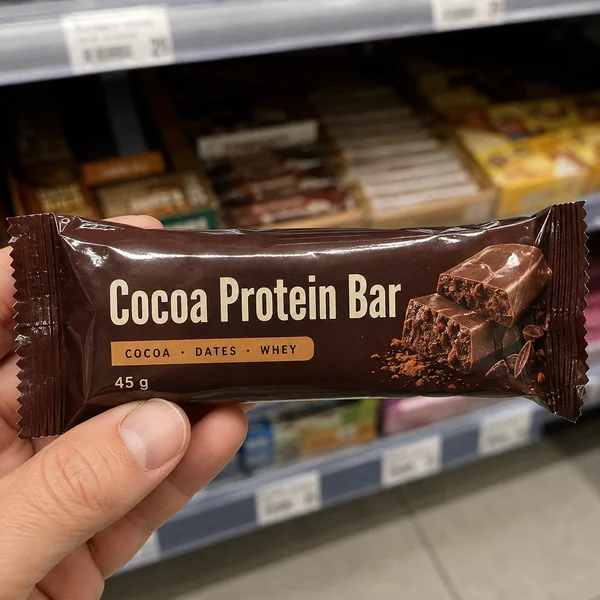
Start here
What matters in your basket?
Your label companion
One question. A useful answer.
Checking protein bars for milk ingredients
Check the protein source, coating and full ingredient list separately. A protein number on the front does not tell you whether the bar fits a milk-avoidance preference.
Read the check 02 / Label checkChecking a coffee creamer for milk
Start with the ingredients and allergen declaration rather than the color, texture or image on the carton. A coconut or oat reference on the front is not the complete formula.
Read the check 03 / Label checkChecking dark chocolate for milk
Use the actual bar label. Cocoa percentage describes one part of a chocolate product; it cannot establish that milk ingredients or milk cross-contact are absent.
Read the check 04 / Label checkChecking wheat-free bread for gluten
Wheat-free wording does not answer the full gluten question. Read the gluten-free claim and grain ingredients, including any barley or rye ingredients.
Read the check 05 / Label checkReading the gluten claim on an oat drink
Check the exact oat drink for a gluten-free claim and read its full ingredient list. Do not turn the name of the base grain into a conclusion about the finished product.
Read the check 06 / Label checkSpotting barley malt on a cereal label
Include malt ingredients in your grain check. Looking only for the word wheat or a wheat allergen statement can miss the reason you are checking a cereal.
Read the check 07 / Label checkComparing added sugar in granola
Compare the Added Sugars line using the same amount of granola. A smaller printed serving can make one panel look lower without making the product lower for your bowl.
Read the check 08 / Label checkReading total and added sugar in yogurt
Read Total Sugars and Added Sugars as nested information. Do not add the two numbers together; the added amount is already included in the total.
Read the check 09 / Label checkReading sugar in a multi-serving drink
Check whether the nutrition numbers describe the whole bottle. A bottle can contain more than one labeled serving, so the number you drink may differ from the number you first notice.
Read the check 10 / Label checkComparing sugar in sauces
Compare the same quantity of sauce before choosing by its sugar number. A teaspoon-sized serving and a tablespoon-sized serving are different bases.
Read the check 11 / Label checkReading a honey-sweetened snack label
Honey wording describes a sweetening ingredient, not an exemption from added sugar. Use the nutrition panel to understand the amount in the snack.
Read the check 12 / Label checkFinding milk without a Contains statement
Read the ingredient list even when there is no separate Contains box. A major allergen source can be identified within the ingredient declaration.
Read the check 13 / Label checkChecking crackers for sesame
Check both the cracker and its seasoning. Sesame is a US major allergen, and a topping or seasoning can matter as much as the grain base.
Read the check 14 / Label checkChecking chocolate for a soy declaration
Read the full list and the allergen declaration for the specific bar. Cocoa percentage and the word dark do not answer whether soy is declared.
Read the check 15 / Label checkChecking the nuts in a trail mix
Identify the actual nuts, not just the phrase mixed nuts. A personal avoid list needs the named ingredients, and peanuts and tree nuts are different allergen groups.
Read the check 16 / Label checkChecking allergens in plant-based food
Plant-based wording does not identify all allergen sources in a product. Read the actual formula against your needs rather than treating the front description as an allergen check.
Read the check 17 / Label checkRechecking a different flavor of the same food
Treat a new flavor as a new label. A familiar brand or package shape does not establish that the ingredients match the version you previously checked.
Read the check 18 / Label checkChecking each item in a snack multipack
Check the information for the specific item you will eat. A variety pack can contain several formulas; a single panel or an outer summary may describe more than one item.
Read the check 19 / Label checkComparing foods with different serving weights
Normalize the portion before comparing nutrient amounts. Two panels can use different serving sizes even when the foods look similar.
Read the check 20 / Label checkPhotographing a food label for a useful check
Capture the information that answers your question. An ingredient photo helps identify names; a sugar-quantity comparison also needs the nutrition panel and serving size.
Read the check 21 / Label checkSodium per serving vs the whole soup can
The sodium amount on a soup label may describe one serving rather than the entire can. Check the number of servings before comparing the amount you plan to eat with another product.
Read the check 22 / Label checkComparing fiber when cereal servings differ
A bigger fiber number can come with a bigger serving. Compare the same weight of cereal before deciding which label declares more fiber for the portion you usually pour.
Read the check 23 / Label checkAs packaged vs as prepared on Nutrition Facts
A prepared-food column can include ingredients added during preparation. Check the column heading before comparing a dry mix with a finished dish or using different preparation ingredients.
Read the check 24 / Label checkWhy Nutrition Facts percentages do not add to 100
Each percent Daily Value refers to a different nutrient reference amount. Adding the percentages down the column does not produce a score for the food or the share of your daily calories.
Read the check